
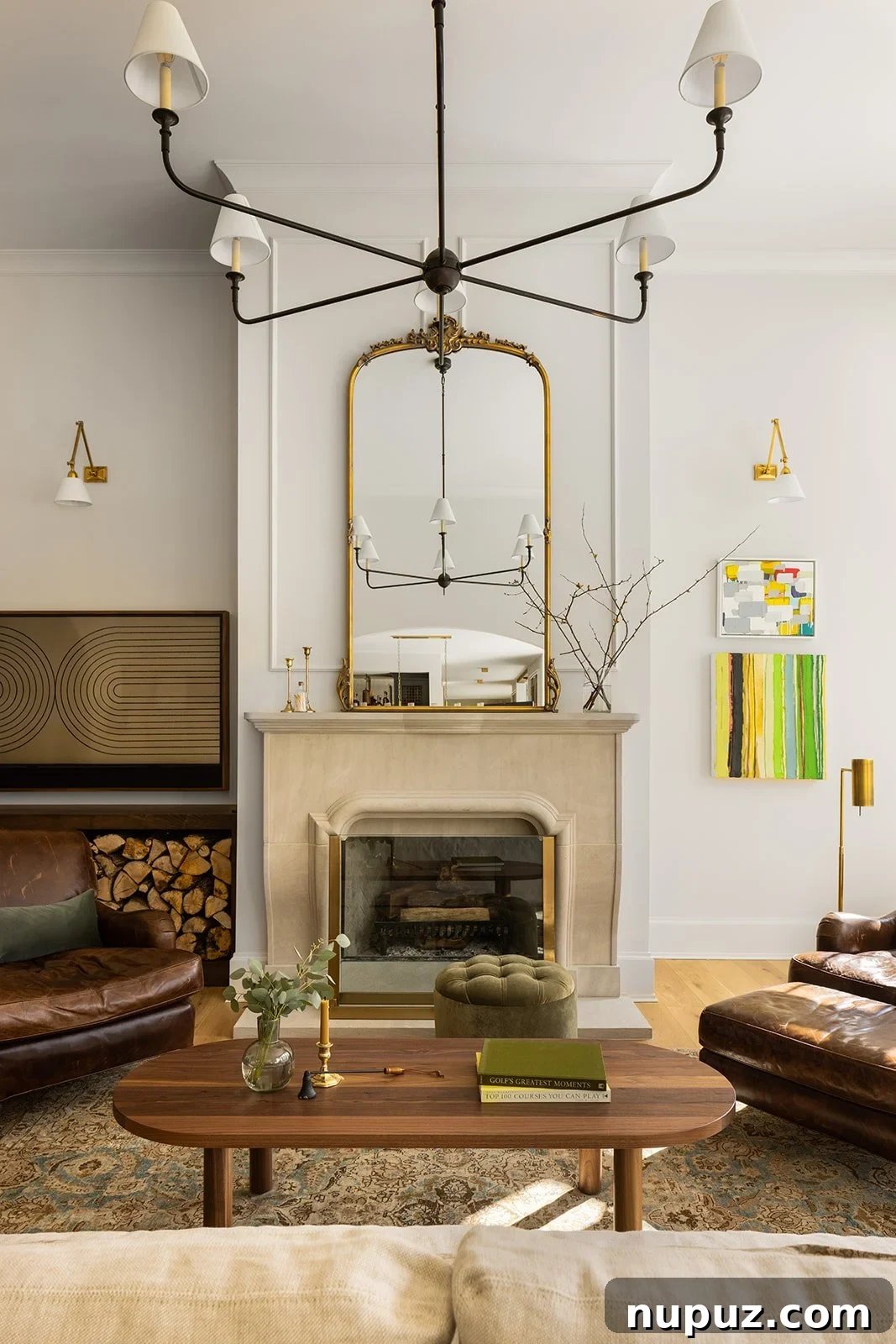
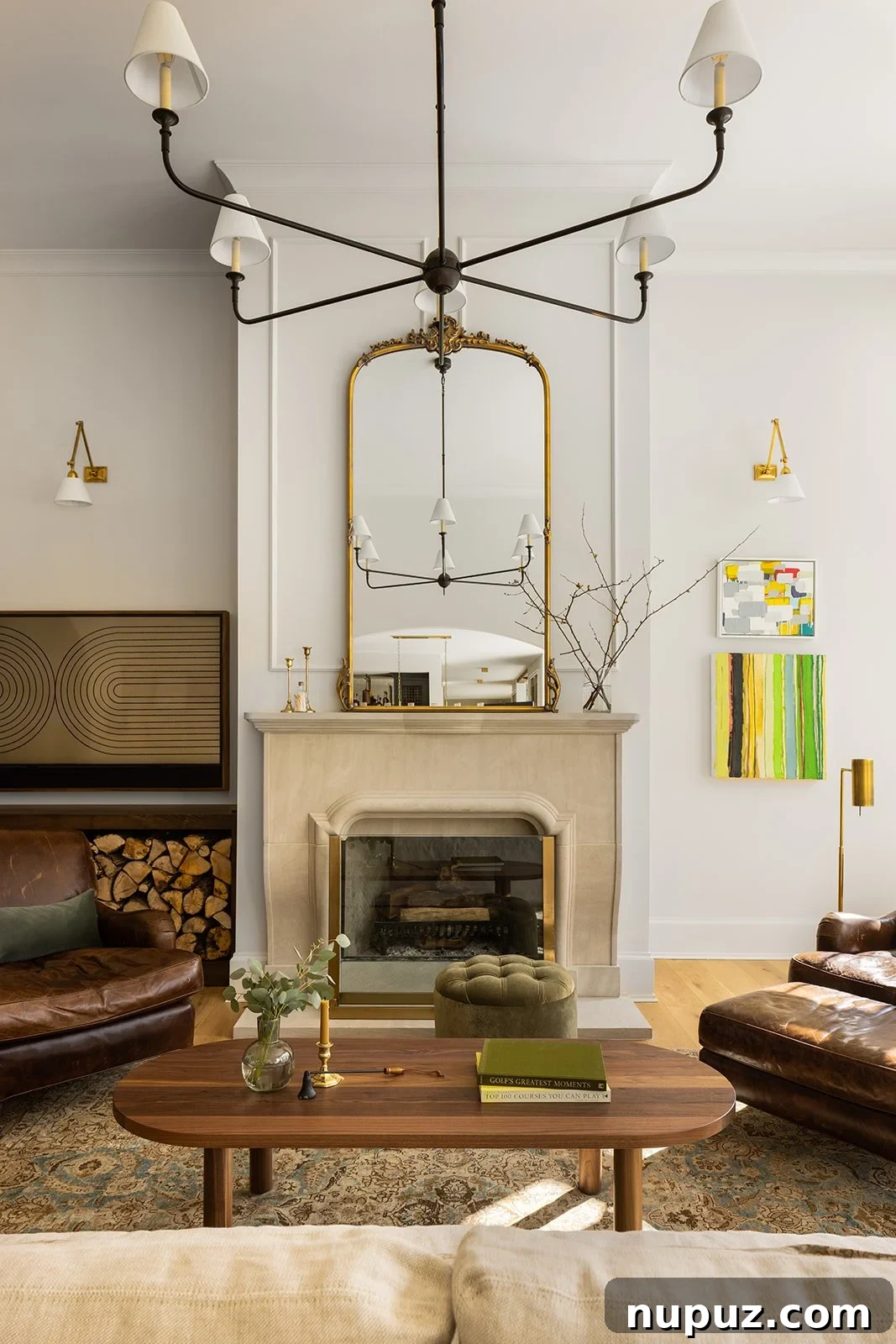
Discover Serenity: How to Create a Calm and Inviting Living Room
In the relentless pace of modern life, our homes should serve as a sanctuary – a place where we can unwind, recharge, and find peace. Among all the spaces in a home, the living room holds a unique potential to become this haven. Imagine stepping into a room that instantly makes you feel at ease, a space that seems to breathe a sigh of relief as you enter. This isn’t just a dream; it’s an achievable reality. Creating a calm living room is less about chasing fleeting design trends and more about embracing a timeless, “quiet design” philosophy that prioritizes comfort, harmony, and well-being.
A truly serene living space offers a gentle invitation to relax and linger. It’s a carefully curated environment where every element contributes to an overarching sense of tranquility. From the moment you sink into a plush sofa to the subtle scent filling the air, a calm living room works on multiple sensory levels to soothe your mind and body. This guide will walk you through essential steps to transform your living room into a peaceful retreat, focusing on thoughtful choices that will make your home a true sanctuary. Let’s delve into the art of crafting a living room that truly welcomes you to sit down and stay awhile.
1. Start With a Neutral Palette
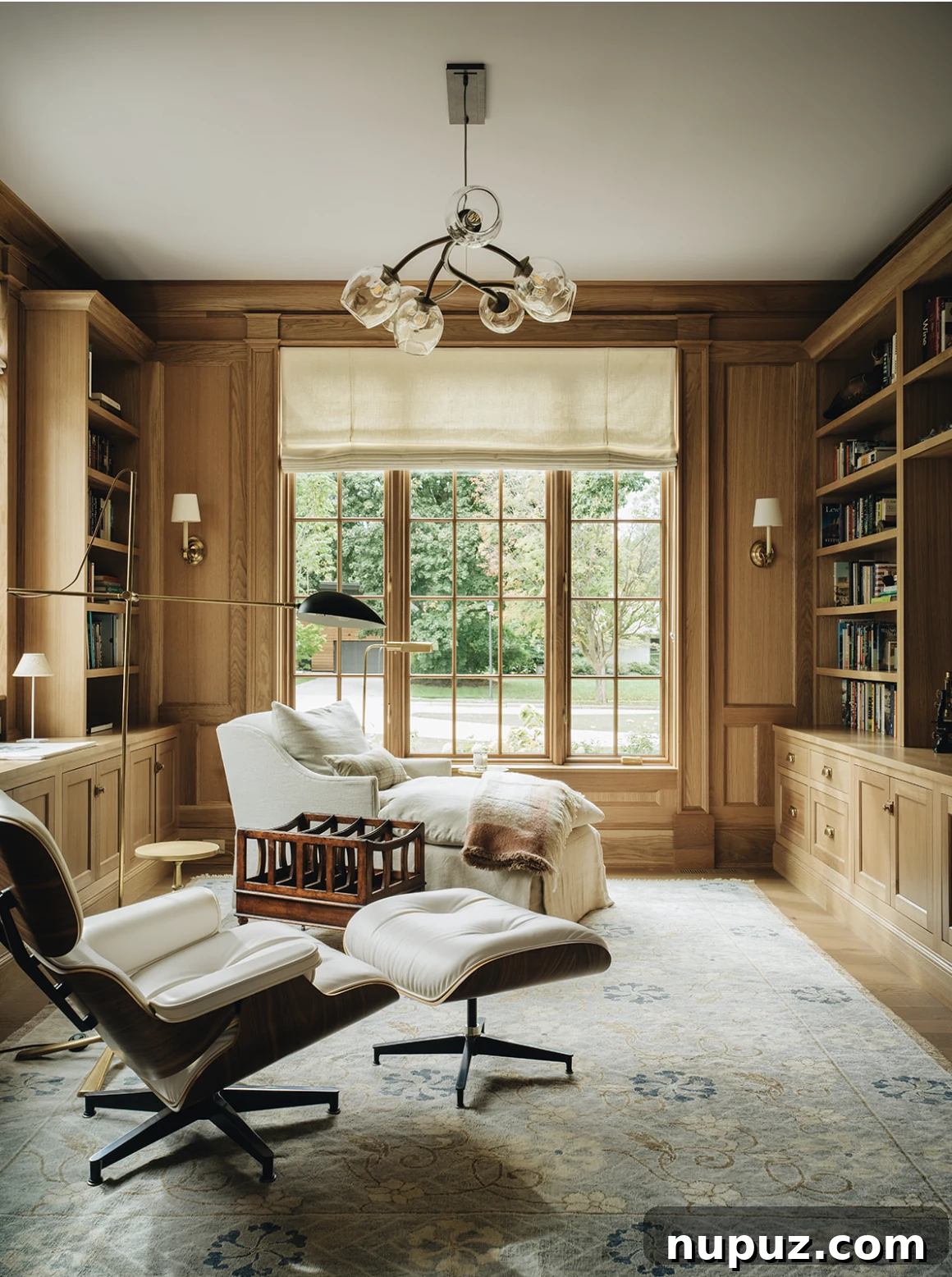
The foundation of a calm living room lies in its color scheme, and nothing speaks to serenity quite like a neutral palette. Far from being bland, neutrals encompass a rich spectrum of hues that reflect light beautifully and provide a calming backdrop for daily life. Envision the sophisticated elegance of warm whites, the inviting softness of gentle ivories, the organic feel of soft sand, the grounding presence of pale stone, and the subtle depth of muted taupes. These tones are not merely colors; they are visual pauses, inviting your eyes to rest and your mind to quiet.
The true magic of a neutral palette emerges through layering. Imagine a luxurious linen sofa set against an ivory wall, its subtle texture complementing the smooth paint. Introduce a plush wool rug in a shade slightly darker than the walls, adding warmth and defining the space. Drape a delicately textured throw over the sofa, perhaps in a tone that offers a subtle, yet harmonious, contrast. Consider adding natural wood elements, woven baskets, or ceramic vases to further enhance the organic feel. The goal is to create a seamless blend where every element works in concert, resulting in an instantly soothing and cohesive environment. This thoughtful layering of similar yet distinct neutral shades and textures ensures a space that feels rich, inviting, and deeply peaceful, making it one of the most effective strategies for creating a calm living room.
2. Invite Texture to Talk

While a neutral color palette establishes a serene foundation, it’s texture that prevents a calm living room from feeling sterile or uninteresting. Texture introduces depth, warmth, and visual interest without overwhelming the senses with bold colors or patterns. It engages the tactile sense, making a space feel more inviting and livable. Think beyond just sight; consider how different materials would feel to the touch and how they contribute to the room’s overall character.
Integrate a variety of textures to create a rich, layered environment. Woven baskets not only offer practical storage but also add an organic, artisanal touch. Natural fiber rugs, like jute or sisal, ground the space with their earthy appeal and provide a satisfying underfoot experience. Nubby upholstery on sofas and armchairs invites you to sink in and relax, offering a sense of comforting embrace. Introduce elements like reclaimed wood, smooth ceramics, gleaming metallics, or soft cashmere throws. Even the subtle variations in plaster walls or the grain of a wooden coffee table contribute to this textural symphony. By thoughtfully combining these diverse materials, you create a living room that is dynamic and engaging, yet deeply calming, offering a sense of comfort and authenticity that makes it truly feel like home. This deliberate inclusion of tactile elements is key to achieving a truly harmonious and inviting calm living room.
3. Edit, Edit, Edit
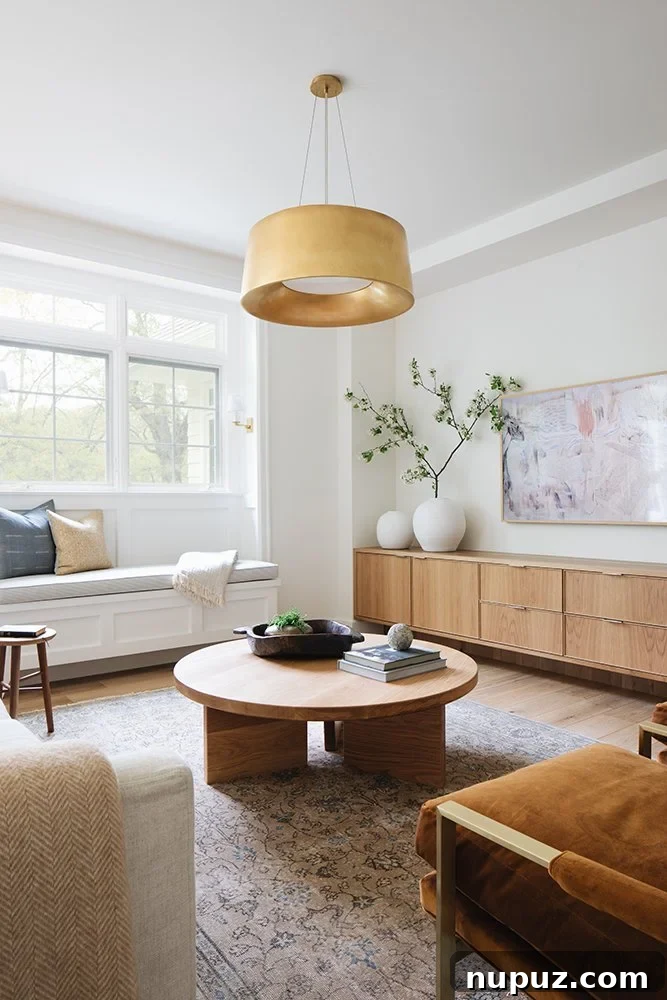
The concept of editing is often preached in design, yet it remains one of the hardest principles to truly implement, especially when learning how to create a calm living room. However, it is absolutely essential. Clutter, both visible and hidden, creates visual noise and mental distraction, hindering the very sense of peace you’re trying to achieve. Editing is about mindful curation, not stark minimalism. It means thoughtfully selecting what stays and what goes, ensuring every item in your living room serves a purpose or brings you genuine joy.
A powerful rule of thumb in this process is to always remove one more piece than you think you need. After you’ve arranged and styled your space, take a step back and identify the least essential item – then remove it. You’ll often be surprised at how this subtle reduction instantly elevates the sense of calm. This practice highlights the importance of negative space. Negative space isn’t empty; it’s refreshing. It allows your eyes to rest, giving importance to the pieces that remain and allowing the overall design to breathe. Embracing the power of editing transforms your living room from a collection of “stuff” into a curated sanctuary, promoting mental clarity and contributing profoundly to a serene and calm living room environment. Regularly reviewing and simplifying your space will ensure it remains a peaceful retreat.
4. Choose Inviting Furniture
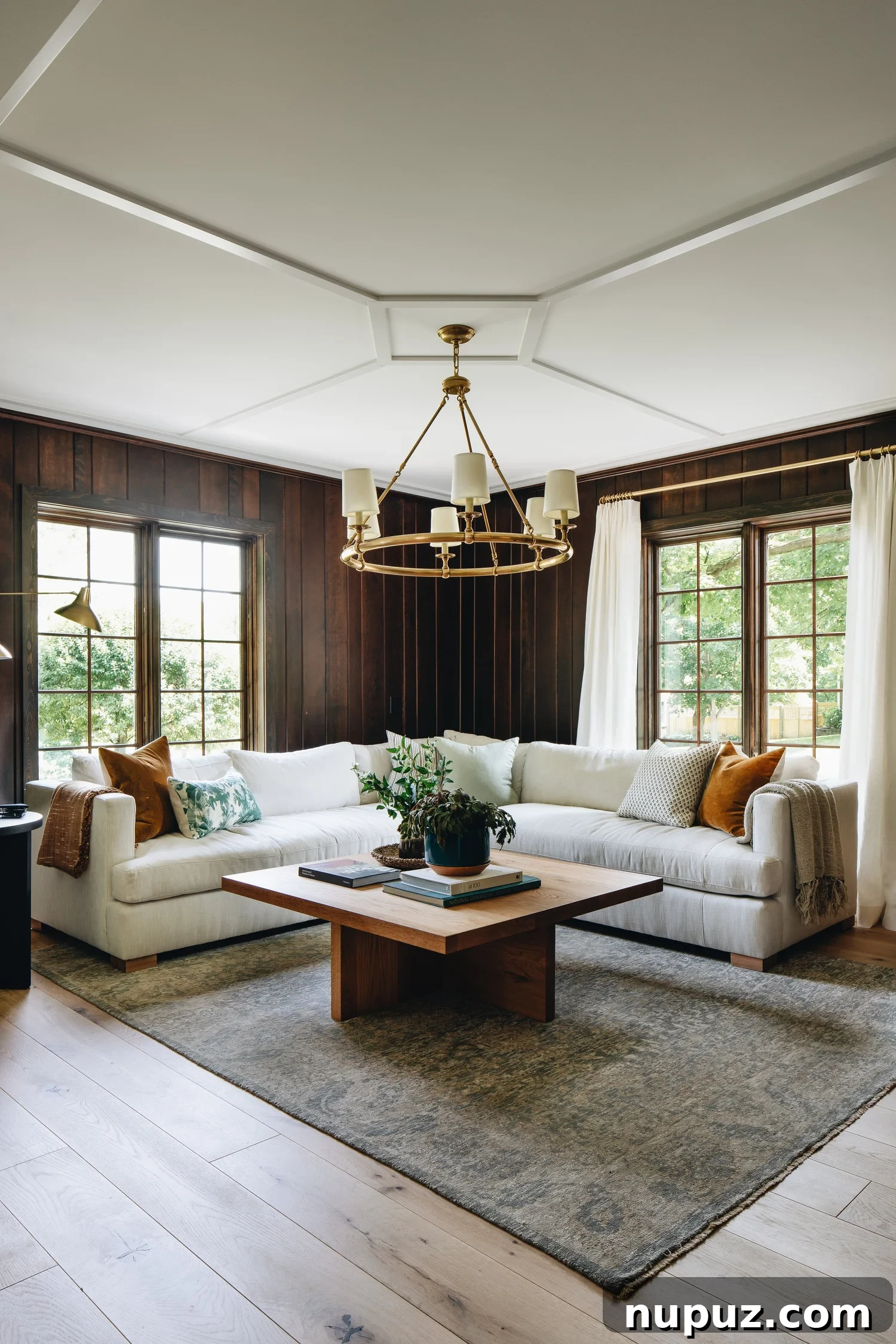
A truly calm living room isn’t just beautiful to look at; it’s designed to be lived in, offering comfort and ease at every turn. When selecting furniture, prioritize pieces that exude warmth and welcome, rather than those that feel too delicate or “precious” to use. The goal is to create an environment where everyone, including yourself, feels encouraged to relax and make themselves at home. This means focusing on comfort, durability, and functionality as much as aesthetics.
Imagine sinking into a sofa that genuinely “envelopes” you – one with deep cushions, soft upholstery, and ample space to stretch out. These are the sofas that invite long conversations, cozy movie nights, or simply quiet contemplation. Similarly, choose armchairs that are not only stylish but also comfortable enough to settle into with a good book, designed to cradle you in relaxation. Ottomans are often overlooked but are essential for promoting comfort, offering a place to prop up tired feet after a long day. When furniture is chosen with an emphasis on creating a welcoming experience, the entire room transforms into a sanctuary. It becomes a space where you can genuinely start your day feeling grounded and end it in peaceful repose, making the choice of inviting furniture paramount for a truly calm living room.
5. Bring the Outside In

Nature possesses an inherent, unmatched ability to soothe the human spirit, making its integration into your living space a powerful strategy for creating a calm living room. Incorporating elements from the outdoors instantly imbues a room with a sense of freshness, vitality, and tranquility. It connects us to the natural world, fostering a calming atmosphere that can reduce stress and enhance well-being.
Start by adding living plants. Simple yet impactful additions like large, leafy branches arranged artfully in a vase can bring sculptural beauty and a vibrant touch of green. A potted olive tree in a quiet corner adds a sophisticated, Mediterranean charm, while smaller houseplants scattered on shelves or tables purify the air and add life. Don’t underestimate the power of a simple bowl of fresh fruit, like oranges or lemons, which introduce natural color and a subtle, refreshing scent. Beyond living elements, natural light is equally critical. Maximize its presence by keeping window treatments light and airy, opting for sheer curtains or blinds that allow sunlight to flood the room. Strategically placing a large mirror directly across from a window can dramatically enhance natural light, reflecting the outdoor view and expanding the sense of space. These deliberate connections to nature not only beautify your living room but also transform it into a naturally relaxing and rejuvenating environment.
6. Layer in Scent and Sound
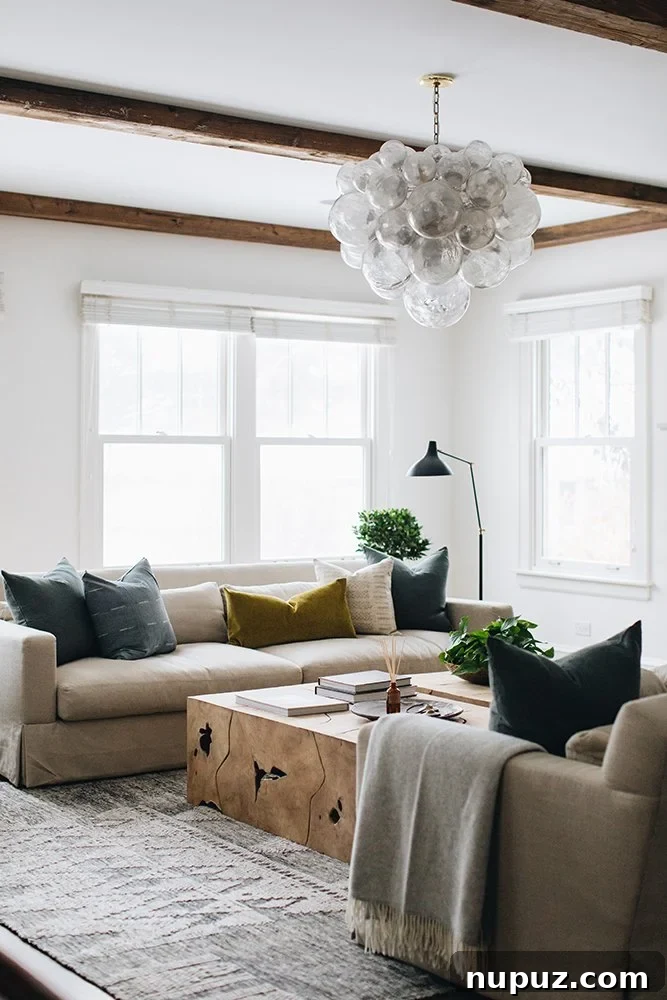
While visual aesthetics play a significant role in creating a calm living room, the subtle influences of scent and sound often have the most profound impact on our mood and sense of well-being. These sensory layers work subconsciously to shift the atmosphere of a room, slowing the pace of the day and ushering in a feeling of peace without you even noticing.
Begin with scent. A fresh-smelling candle, carefully chosen for its calming properties, can transform the ambiance. Opt for aromas like lavender, known for its relaxing qualities; vanilla, which provides a comforting warmth; or subtle citrus notes that uplift without being overpowering. Beyond candles, consider essential oil diffusers for a continuous, gentle diffusion of fragrance, or simply place fresh flowers or herbs in your room. Next, consider sound. The right auditory environment can be incredibly soothing. Soft, instrumental music playing gently in the background can mask disruptive outside noises and create a serene soundscape. Alternatively, nature sounds – such as gentle rain, ocean waves, or birdsong – can transport you to a peaceful outdoor setting. The absence of harsh, jarring sounds is equally important; minimize electronic beeps, loud televisions, and general commotion. By thoughtfully layering these olfactory and auditory elements, you curate a truly multi-sensory experience that reinforces the tranquility of your calm living room, making it a complete haven for relaxation and introspection.
7. Add Personal Items
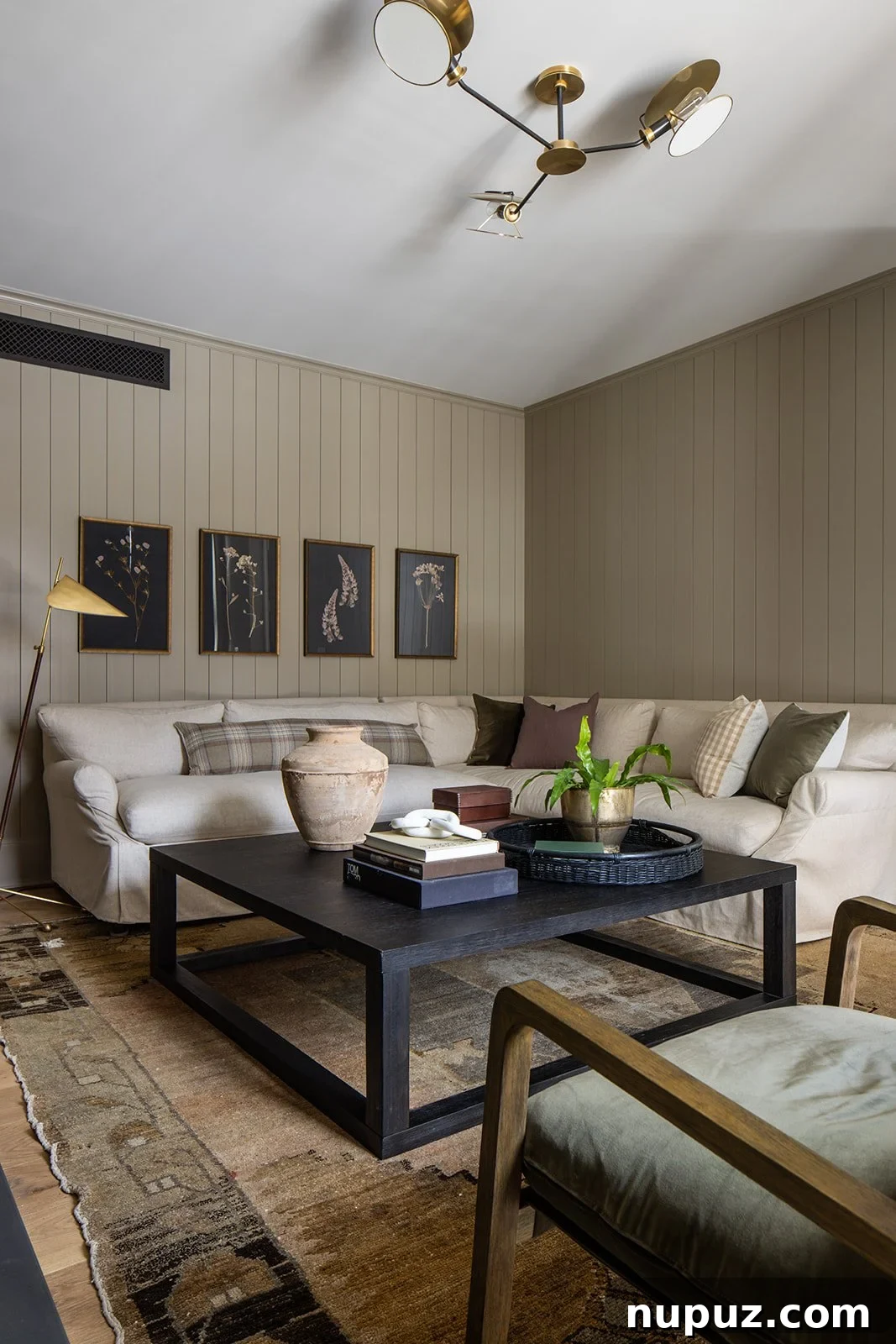
Ultimately, a truly calm living room is one that genuinely reflects you and your journey, imbued with personal items that tell your story. This isn’t an invitation for clutter, but rather a call for thoughtful curation. The key is to display meaningful objects with intention, allowing them to add warmth and character without overwhelming the peaceful aesthetic. Your home should be a reflection of who you are, but perhaps not all at once – a careful selection brings charm without chaos.
Introduce elements that resonate deeply with you. Think of books that feel like old friends, their worn spines hinting at countless hours of escape and learning. Display cherished family heirlooms, like silver pieces, which carry generations of stories. Frame irreplaceable photos that capture precious moments, perhaps from a simpler time when memories were printed and held, rather than confined to digital screens. These are not merely “stuff”; they are personal treasures, collections that evoke emotion, spark memories, and provide a sense of rootedness. By consciously incorporating these personal touches, you transform a well-designed room into a soulful, calm living room that feels uniquely yours, offering comfort and connection every day.
Learning how to create a calm living room isn’t about striving for unattainable perfection or adhering to rigid rules. It’s about the intentional act of crafting a home that embraces you, offering serenity and peace the very moment you walk through the door. By thoughtfully considering color, texture, simplicity, comfort, nature, sensory details, and personal touches, you can cultivate a living space that truly nurtures your soul. What could be better than returning to a home that consistently offers a profound sense of tranquility and belonging?
Design inspiration from:
Beautiful Jean Stoffer Interior Design and
Stoffer Photography Interior

FOR MORE INSPIRATION VISIT OUR LTK, INSTAGRAMAND PINTEREST
Thanks so much for making Design Chic a part of your day. We always love seeing you here!

My 13th novel SUMMER STATE of MIND releases May 5, 2026 and I can’t wait to share it with you. Preorder here!
More About SUMMER STATE OF MIND:
“Queen of the beach read,” (Cosmopolitan) New York Times bestselling author Kristy Woodson Harvey returns with a heartfelt escape to coastal Carolina.
After the worst day in her professional life, burnt-out NICU nurse Daisy Stevens runs to Cape Carolina, North Carolina, looking for a new life—and possibly new romance. On her first day at her “simpler” job, high school baseball coach Mason Thaysden discovers an abandoned baby, sending ripples through the entire tight-knit town of Cape Carolina.
Mason is still struggling to reconcile the scars of the injury that kept him out of the big leagues, stuck in his hometown, and searching for a way out. This newcomer and the child they’ve saved together might be just the motivation he needs to stay put. Sparks fly as Mason acquaints Daisy with Cape Carolina, introducing her to his friends and family, including his batty Aunt Tilley, who is looking for relief from long-buried family secrets and her own fresh start.
But as Daisy becomes increasingly attached to this abandoned child, and begins facing her own demons in the process, a startling discovery is made that threatens to rip the entire town of Cape Carolina apart, placing Daisy, Mason, and Tilley in the center of the storm. In a novel that proves that “Kristy Woodson Harvey is (the) go-to for elevated beach reads” (People), they will each learn that with love, understanding—and a community theater production of Hello, Dolly!—sometimes life conspires to bring us just exactly where we belong.